


How to add a privacy policy on any website with Secure Privacy
To add a privacy button on your website follow the following steps.
When having a cookie and privacy policy generator from Secure Privacy you can add a privacy button on your website by following these few steps.
We assume that you have already installed Secure Privacy Script on your website.
- Go to your account > Privacy Policy > Use on Website > Direct text Embedding
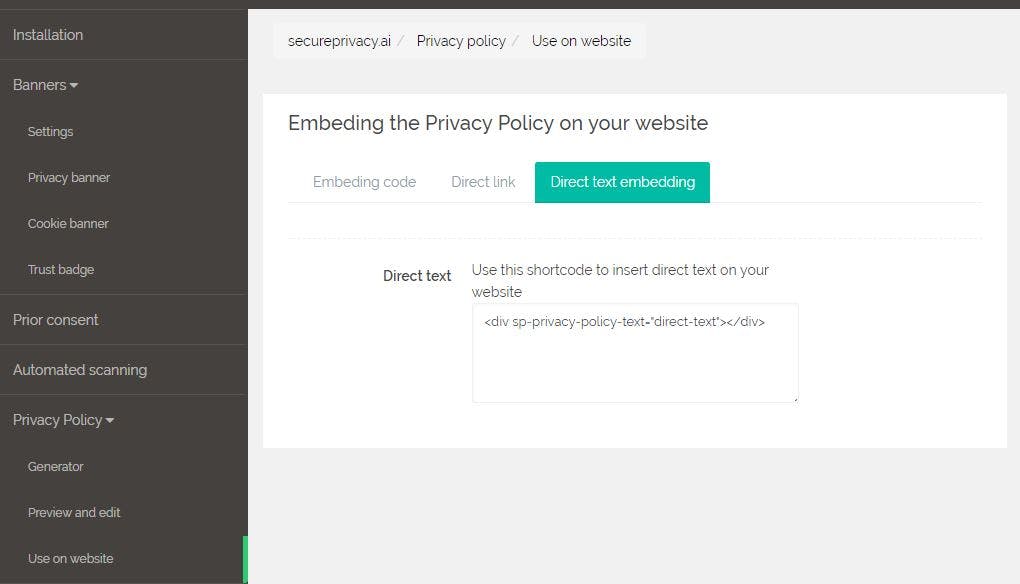
2. Copy the code shown.
3. Open your web page in any HTML editor.
4. Paste the HTML code anywhere inside the body section of your HTML
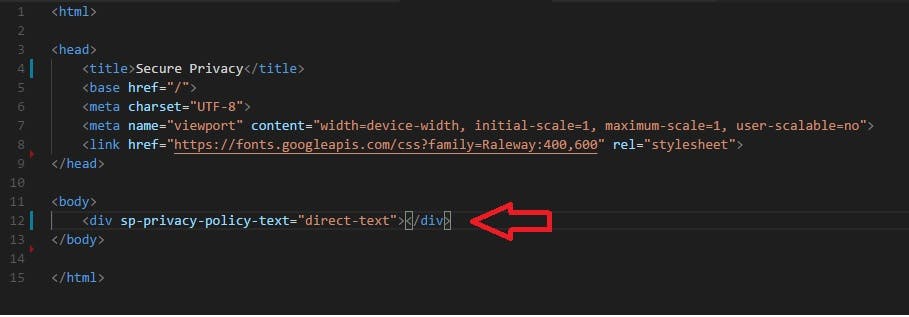
5. Save your page and your Privacy policy text will start appearing.
Privacy Preference Centers & Cross-Device Consent Management
Your marketing team just discovered that 23% of email subscribers who opted out of promotional messages last month are still receiving campaigns. The opt-out was captured in your CMP. It just never reached your email platform. Three of those users have filed complaints with your DPO. One has already submitted a GDPR complaint to a supervisory authority.
- Consent Management
FRIA Guide: Conducting Fundamental Rights Impact Assessments under the EU AI Act
Your organisation has been using an AI-powered tool to screen job applicants for the past 18 months. The system ingests CVs, scores candidates on a composite of attributes, and surfaces a ranked shortlist to hiring managers. Until recently, this was a product decision. From August 2, 2026, it is a legal obligation: under Article 27 of the EU AI Act, deployers of high-risk AI systems in employment and similar domains must conduct a Fundamental Rights Impact Assessment before putting that system into use — and they must notify the competent national market surveillance authority of the results.
- AI Governance
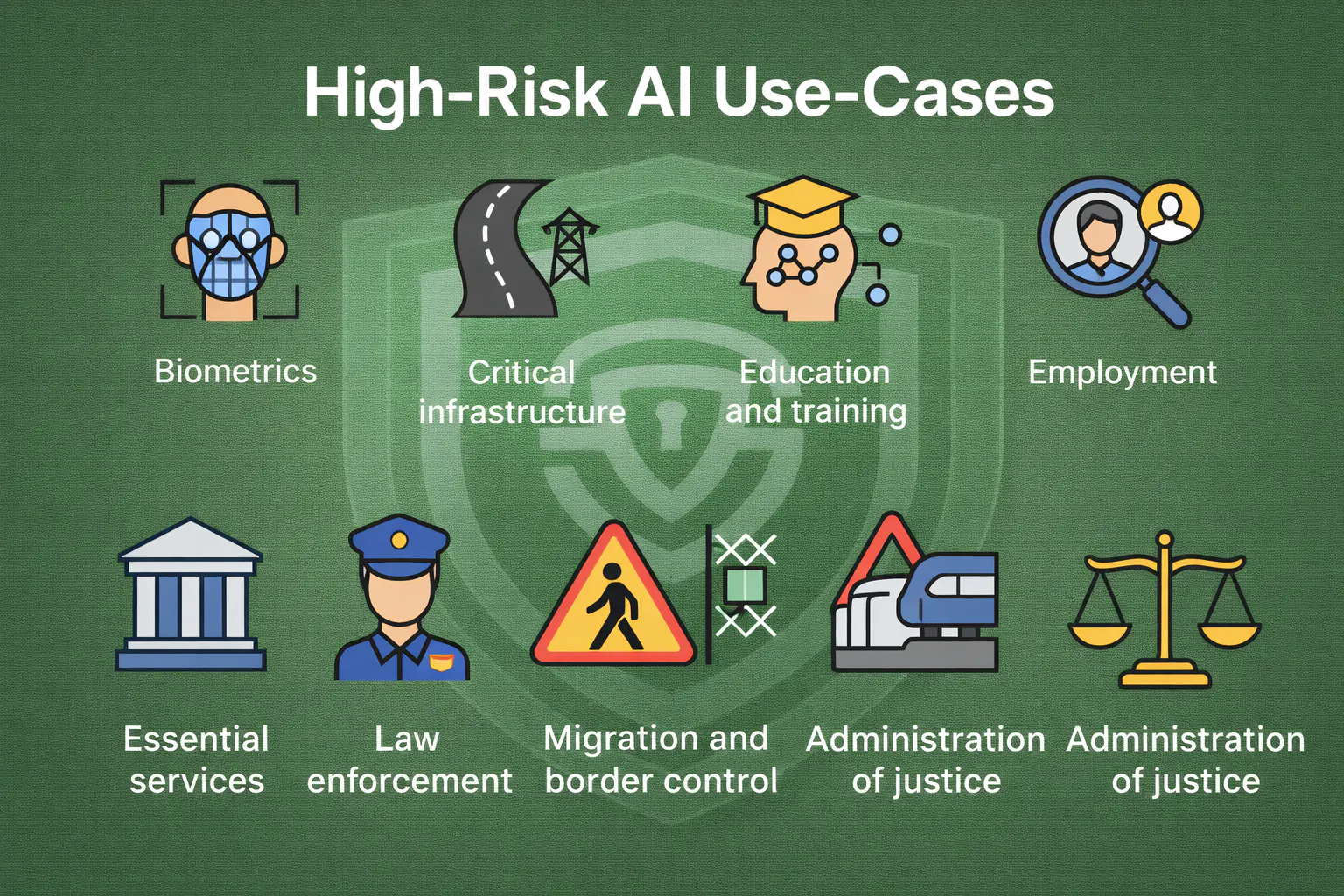
Does Your Software Count as High-Risk AI? A Practical EU AI Act Guide
Your engineering team just shipped a new AI feature. It screens job applicants, ranks them by predicted fit, and surfaces a shortlist for the hiring manager. You didn't think of it as "regulated" — it's just a scoring model. But under the EU AI Act, which enters full enforcement on August 2, 2026, that feature is almost certainly a high-risk AI system — subject to mandatory risk assessments, technical documentation, human oversight mechanisms, and EU database registration before it touches a single CV.
- AI Governance